An Air Compressor Check Valve may be small, but its job is vital: it keeps compressed air moving in the intended direction and helps prevent reverse flow. Picture a compressor stopping after a work shift. Without a functioning check valve, air may push back toward the pump, causing pressure loss or unwanted strain. The right valve depends on the system’s pressure, airflow, connection size, and installation position. Small details matter.
Compressed-air specialist Ron Marshall has written extensively about system efficiency, though no verified quotation from him on check-valve types is available here. A useful engineering principle is: “Choose the valve for the system’s actual pressure, flow, and service conditions.” This is an editorial summary, not a direct quotation. With that in mind, this guide compares common options, including swing, lift, ball, and spring-loaded check valves. Each design behaves differently when airflow starts, stops, or fluctuates. Some favor a simple mechanism; others offer faster closure or suit tighter installation spaces. Yet a valve that looks suitable on paper may perform poorly if its pressure rating or materials do not match the application. Check the manufacturer’s specifications. Inspect the installation, too. The comparison ahead explains what to look for, where each type may fit, and which trade-offs deserve a closer review.
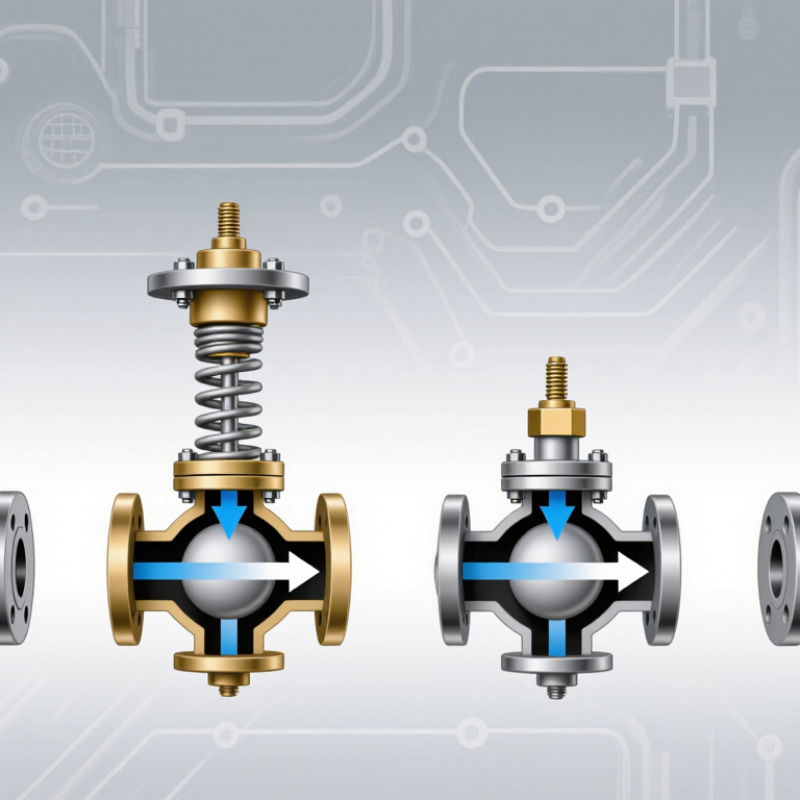
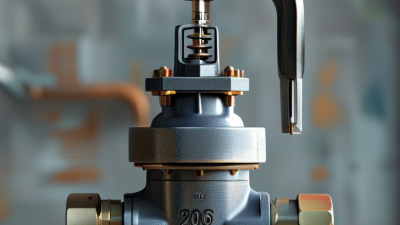
An air compressor check valve allows airflow in one direction and blocks reverse movement. Inside the body, pressure lifts a disc, piston, or poppet from its seat. When pressure drops, a spring or gravity closes the valve. This simple action protects the compressor from backflow and sudden pressure reversal.
Spring-loaded check valves suit compact compressor systems. Their quick closing action reduces air shock near the tank. Swing check valves use a hinged disc and need enough flow to open fully. Lift check valves guide a piston vertically, offering stable sealing under higher pressure. A wafer design saves space between pipe flanges, but alignment must be precise.
The U.S. Department of Energy reports that compressed-air leaks can waste 20% to 30% of compressor output in poorly maintained systems. A leaking check valve can add to that loss. Listen for a faint hiss after shutdown. That sound matters.
Technicians should inspect the valve seat, spring, and threaded connections during maintenance. Oil residue, rust, or repeated pressure cycling may prevent full closure. Valve sizing also matters. An oversized valve may close slowly, while a restrictive valve increases pressure loss.
The choice is not always obvious. Pressure, temperature, flow rate, and installation direction must be checked against the manufacturer’s technical data and applicable safety standards. One overlooked detail can weaken an otherwise efficient system.
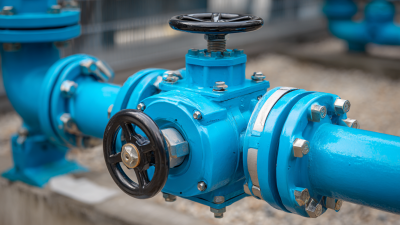
In compressed-air systems, a swing check valve uses a hinged disc to control one-way flow. The body usually contains an inlet, outlet, hinge pin, disc, and machined seat. When pressure rises at the inlet, the disc swings away from the seat. Air then passes through the open passage with limited resistance. When pressure falls or reverses, gravity and backpressure return the disc to its seat. This simple movement protects the compressor from reverse flow.
Its performance depends on more than valve size. Installers should match the pressure rating, temperature range, and connection type to the system. A horizontal position often supports stable disc movement, although some designs allow vertical installation. The flow arrow must face the discharge direction. A wrong orientation can stop delivery or create damaging chatter. I have found that a clean seat matters as much as a strong disc. Dust, pipe scale, or oil residue may prevent a tight seal. Small particles cause big problems.
Swing check valves suit applications where moderate pressure loss and reliable isolation matter. They are less ideal for rapidly cycling air, because the disc may slam against the seat. That impact creates noise, wear, and eventual leakage. Inspection should include hinge freedom, seat condition, and unusual vibration. They are not perfect. In some installations, a slower-closing design may protect equipment better. Pressure readings should be compared before and after service, not guessed from sound alone. That habit improves maintenance decisions and supports safer compressor operation.
Air compressor systems use several check valve designs, including swing, lift, ball, and spring-loaded types. Each prevents reverse airflow when the compressor stops or pressure changes. In compact pneumatic equipment, spring-loaded check valves often provide the most predictable response.
A spring-loaded check valve uses a spring to press the disc against its seat. Forward air pressure lifts the disc and allows flow. When pressure drops, the spring closes the passage quickly. Fast closure matters. It reduces backflow, pressure loss, and compressor restart stress. During maintenance, technicians should check the arrow on the body, sealing surface, and rated pressure range. Incorrect installation can cause unstable operation or early leakage.
Material selection also affects service life. Stainless steel resists corrosion in damp lines, while suitable elastomers support quieter sealing. Clean, dry air helps prevent particles from marking the seat. I have seen tiny metal flakes create intermittent leakage, even when the valve looked intact. That detail is easy to miss. A pressure test after installation can reveal slow pressure decay. Yet spring force is not always better; an overly strong spring may restrict airflow and increase energy demand. Periodic inspection remains necessary, especially near vibrating compressors or hot discharge lines.
Lift and piston check valves serve different operating priorities in compressed-air systems. A lift valve uses a disc or poppet that moves vertically from its seat. Its short travel can support quick opening and compact installation. This design often suits receiver outlets, pneumatic manifolds, and applications with frequent flow changes. However, the spring, seat, and guide must remain clean. Small particles can prevent full seating and create a noticeable reverse-flow path.
A piston check valve uses a guided piston to control flow. Its longer movement can provide stable sealing under pressure fluctuations. It may also tolerate repeated cycling better when correctly sized. The trade-off is possible pressure loss, especially with a higher cracking pressure. The U.S. Department of Energy’s Improving Compressed Air System Performance sourcebook reports that leaks can waste 20–30% of compressor output in poorly maintained systems. A leaking check valve can add to that hidden loss. ISO 1217 measurement practices also remind engineers to verify compressor performance under defined conditions, not guess from nameplate values. In maintenance work, I would inspect the seat marks, spring condition, and downstream pressure trend before replacing a valve. Field assumptions are often wrong. Lift valves are not automatically more efficient, and piston valves are not automatically stronger. Flow rate, installation direction, contamination, and allowable pressure drop must decide the selection. Some specifications still omit cracking pressure, which deserves a second look.
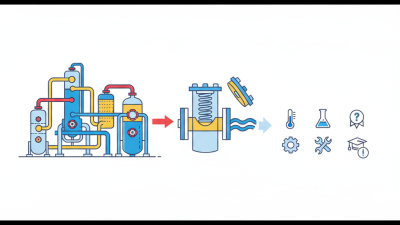
Both designs open when forward pressure moves the valve element off its seat and close to resist reverse flow. A lift check valve uses a guided disc or poppet; a piston check valve uses a guided piston, which may provide a more damped closing action in some designs. The chart illustrates the general movement pattern only; actual travel and response depend on valve design and operating conditions.
What Are the Top Types of Air Compressor Check Valves?
Choosing a Check Valve for an Air Compressor System
An air compressor check valve stops stored air from flowing back toward the pump. That small function protects unloading components and reduces restart strain. Spring-loaded inline valves suit compact discharge lines. They close quickly and work in many mounting positions. Swing check valves can offer lower pressure loss. However, they need correct flow direction and enough space for the disc. Ball check valves handle frequent cycling well. Dirt, oil, or condensate may still prevent a tight seal.
Choose the valve by pressure, temperature, flow rate, and connection size. Check the cracking pressure carefully. A valve that opens too late can restrict compressor output. A weak spring may allow reverse flow during shutdown. I once focused only on pipe size. That was a mistake. The valve’s actual flow capacity mattered more than expected.
Air systems with strong pulsation need a valve designed for repeated movement. Stainless steel suits corrosive moisture, while coated steel may fit cleaner, drier systems. Install the valve close to the receiver or compressor outlet when practical. Keep the arrow aligned with airflow. During maintenance, listen for chattering and inspect the seat for embedded particles. A pressure test can reveal leakage that sound alone misses. Some installations need a pilot-operated valve, especially with large flow demands. It costs more and adds control lines, so it may be unnecessary for a small workshop compressor.