China Top 10 Air Release Valve Manufacturers?
China’s water infrastructure is expanding quickly, creating strong demand for dependable Air Release Valve solutions. These valves remove trapped air, protect pipelines from pressure surges, and support stable water flow. Yet product quality varies widely among manufacturers.
As air-valve specialist Dr. John Ballun has stated, “Air valves are essential components for protecting pipelines and maintaining system performance.” This principle remains practical today. A well-designed valve can prevent vibration near a pump station, reduce corrosion risks, and limit costly maintenance. Small details matter. Float material, sealing accuracy, coating quality, and discharge capacity can influence long-term performance.
This guide examines China’s top 10 Air Release Valve manufacturers through practical purchasing criteria. The review considers manufacturing experience, engineering capability, testing procedures, certifications, customization, export service, and field reputation. It also looks beyond polished websites and impressive catalogs. Factory inspection records, pressure-test evidence, response times, and installation feedback often reveal more.
No ranking is flawless. Different projects require different valve designs. A municipal transmission line may need a combination air valve, while a sewage pipeline may demand stronger corrosion resistance. Some suppliers excel in large-diameter equipment but offer limited technical support for smaller systems. Others provide competitive pricing but need stronger documentation.
The companies discussed here represent notable options, not automatic choices. Buyers should verify specifications, operating pressure, pipeline diameter, water quality, and local installation conditions before ordering. Careful comparison is necessary. A cheaper valve may become expensive when removal, downtime, and repeated repairs enter the calculation.
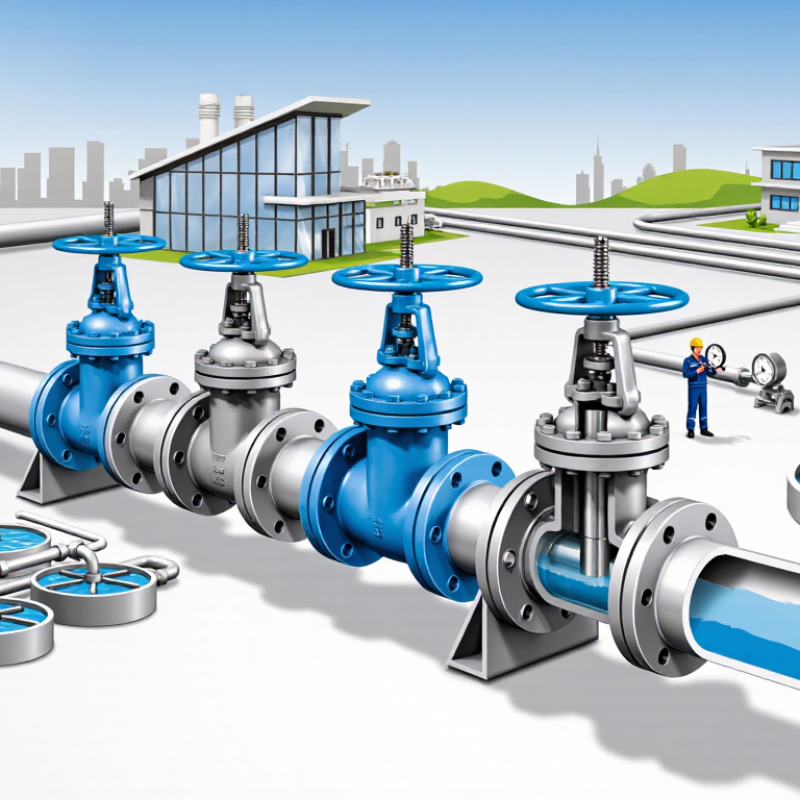
What Are Air Release Valves and Why Are They Important?
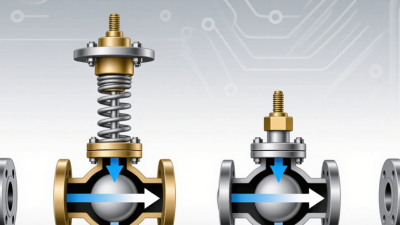
Air release valves are small but essential devices used in pressurized water pipelines. They remove trapped air that collects at high points, where air pockets can restrict flow and increase pressure instability. Without proper air control, a pipeline may suffer from noisy operation, inaccurate flow, vibration, or sudden water hammer.
A well-designed valve can release small amounts of air during normal operation and discharge larger volumes during pipeline filling. It can also admit air when a line drains or loses pressure. This protects the pipe from excessive vacuum conditions. Field inspections often show that poor valve placement causes more trouble than poor valve quality. High points, long rising sections, and sudden elevation changes deserve careful attention.
Sizing must match flow conditions, pressure, pipe diameter, and expected filling or draining speed.
A valve that is too small may not protect the system adequately. One that is too large may create unnecessary maintenance concerns. Installation should allow safe access, drainage, and visual inspection. Filters or isolation devices may help in dirty water, but they cannot replace routine checks.
A common mistake is blaming every pipeline noise on trapped air. The real cause may be a faulty pump, loose support, or rapid valve closure. Testing should include pressure readings and operating observations. Even experienced technicians can overlook air movement after system modifications. That is why records, inspections, and cautious commissioning remain important.
China’s Top 10 Air Release Valve Manufacturers
China’s Top 10 Air Release Valve Manufacturers
China’s top 10 air release valve manufacturers are often judged by engineering depth, testing discipline, and field experience. A reliable supplier should offer valves for waterworks, irrigation, industrial pipelines, and wastewater systems. Product selection should match pressure ratings, pipe diameter, temperature, and fluid conditions. Factory audits can reveal more than polished catalogs. Look for machining records, material certificates, and traceable inspection reports.
Experienced manufacturers usually test float movement, sealing performance, corrosion resistance, and pressure endurance. Some facilities use hydrostatic testing equipment and digital measuring tools on each production batch. Useful details include stainless steel floats, reinforced bodies, protective coatings, and replaceable internal parts. However, a large product range does not always mean strong engineering. That assumption deserves review. After-sales support, installation guidance, and spare-part availability also influence long-term reliability.
Tips: Ask for drawings before ordering. Confirm flange standards and pressure classes. Request recent test data, not only general claims. Check whether the valve suits vertical installation and local water conditions. A small drain issue can cause repeated maintenance. During inspection, watch for rough threads, uneven coatings, or loose floats. These details seem minor, but they may affect sealing and air discharge. Field feedback should be compared with laboratory results, because performance can differ under real pipeline surges.
China Top 10 Air Release Valve Manufacturers
This chart presents standardized nominal pressure classes commonly used when comparing air release valve product ranges. PN values indicate nominal pressure ratings in bar and are not a substitute for project-specific operating-pressure verification.
Reference basis: PN nominal pressure designations commonly used in valve standards such as EN 1092-1 and ISO 7268. Actual availability depends on valve type, material, size, temperature, and certification requirements.
Key Products and Industries Served by These Manufacturers
China’s top air release valve manufacturers generally supply automatic, single-orifice, double-orifice, and combination valves. Their products remove trapped air from water pipelines during filling, operation, and drainage. Many factories also produce wastewater air valves, high-pressure models, and corrosion-resistant versions for harsh environments. Material choices often include ductile iron, stainless steel, carbon steel, and reinforced engineering plastics.
These manufacturers serve municipal water networks, irrigation systems, sewage treatment plants, and industrial process lines. Large-diameter valves are common on transmission pipelines and pumping stations. Smaller units fit building water systems, fire protection lines, and agricultural equipment. Mining, power generation, chemical processing, and desalination projects may require special coatings, stronger seals, or customized pressure ratings.
Field experience shows that valve selection depends on more than pipe diameter. Engineers should check working pressure, air-release capacity, fluid temperature, installation angle, and maintenance access. A valve placed near a pipeline high point can prevent pressure surges and reduce operational noise. It must also match the surrounding pipe material and water chemistry. Some suppliers provide factory testing, material certificates, and installation guidance, which improves traceability for contractors and asset owners.
Small details matter. A poor gasket can cause repeated leakage. An undersized valve may release air too slowly. Manufacturer data is useful, but site conditions still deserve careful review. I would not treat every catalog rating as a complete field guarantee. Calibration records, inspection practices, and after-sales support can influence long-term reliability as much as the valve design.