Top 10 Relief Valves for Efficient Pressure Control?
Relief valves play a critical role in maintaining safety and efficiency in various systems. They regulate pressure, preventing dangerous overloading. When pressure exceeds safe levels, relief valves release excess to maintain balance. This simple mechanism is vital for protecting equipment and ensuring smooth operations.
Choosing the right relief valves can be challenging due to diverse needs across industries. Factors like pressure rating, material, and response time must be considered. Suboptimal choices can lead to failures or inefficiencies, raising costs and creating hazards. It’s essential to understand each valve's specific characteristics and applications.
In this guide, we highlight the top 10 relief valves on the market. Each option is evaluated based on performance, reliability, and user feedback. By examining these choices, readers can make informed decisions tailored to their pressure control needs. The goal is to empower users to enhance their systems while prioritizing safety and efficiency.
Top 10 Relief Valves: Essential Features for Pressure Control Efficiency
When selecting relief valves for pressure control, consider essential features that enhance their efficiency. The design should allow for quick response to excess pressure. This ensures that systems remain safe without unnecessary downtime. Valves with adjustable settings offer flexibility, catering to diverse operational needs. Proper sizing is crucial. An oversized valve may lead to inefficiency, while an undersized one could fail under pressure.
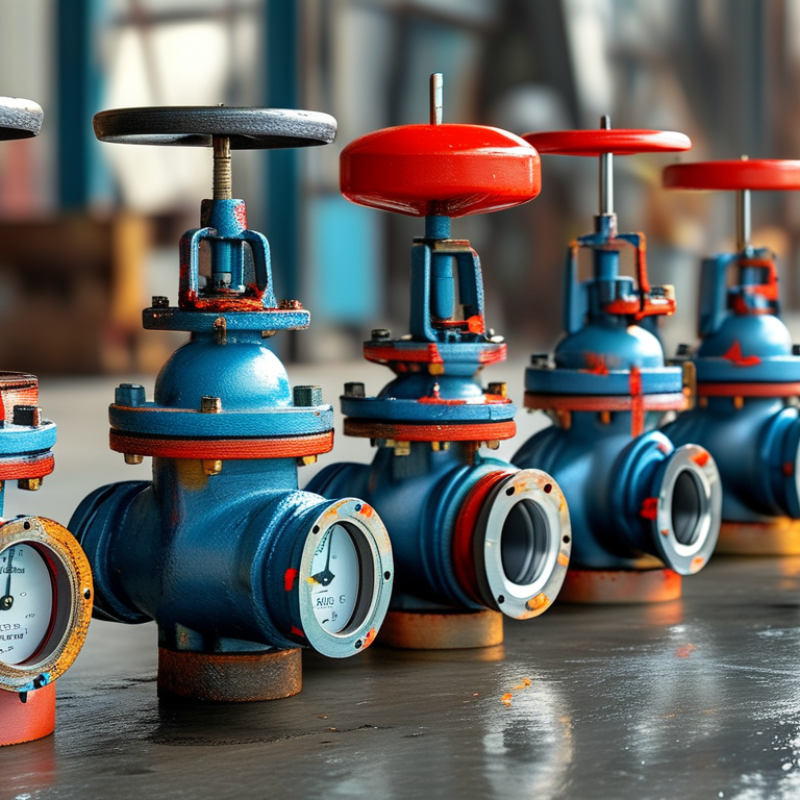
Reliability is paramount. Durable materials resist corrosion and wear, extending the valve's lifecycle. Look for models with minimal leakage and a robust seal. These features reduce maintenance costs. Integrating a pressure gauge can provide real-time feedback on valve performance. This is valuable for identifying issues before they escalate.
Regular maintenance should not be overlooked. Over time, deposits can accumulate, affecting performance. Inspections help ensure that relief valves function as intended. Operators must be aware of the unique challenges each system presents. Custom solutions may be necessary. Remember, every detail matters in maintaining safety and efficiency in pressure control systems.
Understanding Types of Relief Valves: Selecting the Right One for Your System
Selecting the right relief valve can significantly enhance system efficiency. Understanding the types of relief valves is vital for optimal pressure control. Pressure relief valves, safety valves, and pop-off valves are among the most common types. Each type offers unique benefits and limitations, making it crucial to match them with your system needs.
Recent industry reports indicate that improper valve selection can lead to failures or inefficiencies, accounting for 30% of system downtime. For instance, a pressure relief valve must be chosen based on the specific pressure and flow characteristics of the application. Engineers must evaluate the maximum allowable working pressure and the anticipated flow rates. This careful analysis helps avoid costly oversizing or undersizing of the relief systems.
Additionally, considerations such as material compatibility and environmental conditions cannot be overlooked. While metal valves offer durability, plastic counterparts may be more suitable for corrosive environments. Professionals must also reflect on the maintenance requirements of each valve type. Regular inspections and servicing keep them functioning effectively and safeguard against catastrophic failure. Prioritizing these aspects enables teams to make more informed decisions.
Top 10 Relief Valves for Efficient Pressure Control
| Valve Type |
Maximum Pressure (psi) |
Flow Rate (GPM) |
Material |
Temperature Range (°F) |
| Spring Loaded |
2500 |
25 |
Stainless Steel |
-20 to 300 |
| Pilot Operated |
3000 |
40 |
Brass |
-10 to 250 |
| Diaphragm |
1500 |
30 |
Plastic |
-40 to 200 |
| Electric |
2000 |
50 |
Aluminum |
0 to 250 |
| Vacuum Relief |
500 |
20 |
Carbon Steel |
-20 to 140 |
| Bellow Sealed |
1500 |
60 |
Nickel Alloy |
-40 to 500 |
| Excess Flow |
1200 |
15 |
Steel |
-10 to 200 |
| Spring-Loaded Safety |
3000 |
30 |
Copper |
-20 to 300 |
| Thermal Relief |
2500 |
20 |
Stainless Steel |
-20 to 400 |
| Dual Seal |
3000 |
25 |
Alloy Steel |
-20 to 600 |
Key Performance Metrics: Pressure Ratings and Flow Coefficients in Valves
When evaluating relief valves for pressure control, one must focus on two main metrics: pressure ratings and flow coefficients. These factors significantly impact efficiency and safety in various applications. Industry reports indicate that valves with a high-pressure rating often withstand extreme conditions, reducing the risk of failure. For example, valves rated at 150 psi or higher are designed for heavy-duty operations, ensuring safety in high-pressure settings.
Flow coefficients, or Cv values, also play a critical role. A higher Cv indicates that the valve allows more flow at a given pressure drop. Many engineers look for Cv values above 10 for optimal performance in industrial settings. Reports show that valves with a Cv of 20 offer significant advantages in fluid handling. However, not all applications require such high performance. Choosing the right valve depends on specific needs and processes.
Installation and maintenance practices can affect both performance metrics. Proper adjustment and regular testing are essential. Some valves underperform due to improper settings or lack of maintenance. A well-calibrated valve is key for reliable pressure control. Additionally, engineers often discover that minor adjustments yield substantial improvements. Maintaining efficiency is an ongoing process that requires close attention to these metrics.
Top 10 Relief Valves for Efficient Pressure Control
Industry Standards: Compliance and Safety Regulations for Relief Valves
When selecting relief valves, industry standards are crucial. Compliance with safety regulations ensures the safe operation of pressure vessels and pipelines. These standards are established by organizations like ASME and API. Adhering to such regulations helps prevent catastrophic failures. Each valve must undergo stringent testing to validate its performance. Even minor deviations in specifications can lead to significant safety risks.
Tips: Always verify the certification of your relief valves. Ensure they meet the latest industry standards. Regular maintenance and testing are vital for optimal performance.
Choosing the right materials is essential. Corrosion resistance enhances the longevity of relief valves. The installation location also matters; exposure to extreme conditions can compromise safety. The process is intricate, and attention to detail is critical. A flawed installation can negate the benefits of the valve.
Tips: Check the installation environment for potential hazards. Monitor valves regularly for any signs of wear or failure. Continuous training for personnel can prevent many issues before they escalate.
Maintenance Best Practices: Ensuring Longevity and Reliability of Valves
Maintaining relief valves is crucial for optimal performance. Regular checks can prevent failures. Start by inspecting the valve surfaces for wear and tear. Look for signs of corrosion or leaks. A small leak can lead to bigger issues over time.
Tips for better maintenance: Clean the valve regularly. Use recommended cleaning agents. This helps remove debris and buildup. Also, check the seating area. Ensure it is free from dirt. A clean seat improves sealing and efficiency.
Don't overlook the importance of testing. Regular functional testing identifies potential problems. If a valve fails, it may be due to infrequent maintenance. Document your maintenance activities. A log helps track valve performance over time. This can highlight patterns needing attention.
Even with the best practices, issues can occur. Be prepared for unexpected failures. Analyzing past problems aids in preventing future ones. Each setback offers valuable lessons for improved reliability.