
Top Pressure Valve Suppliers for Global Buyers
Global buyers rarely choose a pressure valve by price alone. They compare pressure range, materials, leakage performance, certifications, delivery capacity, and long-term service. A valve that looks suitable on a specification sheet may behave differently when exposed to hot steam, corrosive media, or repeated pressure swings. Small details matter: the trim alloy, seal design, test documentation, and the supplier’s response time can all affect reliability.
As a practical selection principle, pressure-systems engineer Elena Morris puts it this way: “A pressure valve earns trust through verified performance, not promises on a brochure.” This is an editorially written principle, not a quotation from a documented interview. Buyers should still confirm each supplier’s claims through current technical datasheets, test records, references, and clear discussions with qualified engineers. That step takes time. It can prevent costly mismatches.
This guide examines pressure valve suppliers serving international buyers, with attention to product range, manufacturing quality, customization, support, and communication. It also recognizes an imperfect reality: supplier information is not always presented consistently, and no single vendor suits every application. Comparing evidence against operating conditions is more useful than relying on rankings alone. The goal is a shortlist grounded in fit, traceability, and dependable service—not a promise that one name works everywhere.
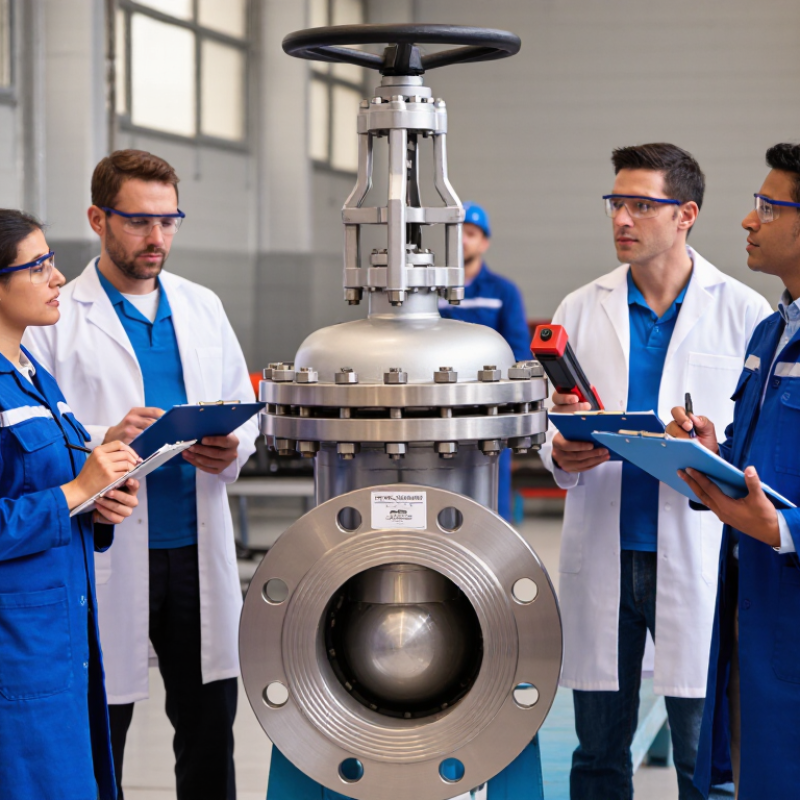
Understanding Pressure Valves and Their Industrial Applications
Pressure valves control, limit, or release fluid pressure in pipes, vessels, and machinery. A pressure-reducing valve helps keep downstream pressure steady as inlet pressure changes. A relief valve opens when pressure exceeds its set point, protecting equipment from overpressure. Small differences matter.
Applications shape valve design. Steam lines need materials and seals suited to heat, while compressed-air systems need stable response and manageable pressure loss. In water treatment, corrosion resistance and debris tolerance can matter as much as pressure ratings. Hydraulic equipment may require fast, repeatable control under changing loads. Buyers should check the fluid, operating range, flow capacity, connection size, temperature, and maintenance access against real system conditions. Pipe diameter alone is not enough.
A valve that works on paper may chatter, leak, or respond slowly in service. Installation orientation, upstream turbulence, and incorrect settings can affect performance. Supplier documentation should explain test methods, materials, adjustment limits, and service intervals, not just list a model number. There is no universal best choice. Cost, safety margin, and ease of inspection can pull in different directions. That trade-off deserves a second look before purchase.
| Valve Type | Primary Function | Typical Industrial Applications | Key Selection Considerations | Information to Confirm with a Supplier |
|---|---|---|---|---|
| Pressure-reducing regulator | Reduces a higher inlet pressure to a controlled lower downstream pressure. | Plant utility systems, compressed-air networks, gas distribution, and process lines. | Inlet and outlet pressure, required flow, fluid properties, pressure stability, and temperature. | Pressure range, flow capacity, connection type, materials, and applicable testing or certification documents. |
| Back-pressure regulator | Maintains upstream pressure by opening as pressure rises above its set point. | Chemical processing, fluid metering systems, and process lines requiring stable upstream pressure. | Required set pressure, flow variation, fluid compatibility, and whether the valve vents or returns fluid to a system. | Operating range, flow characteristics, allowable back pressure, seal materials, and maintenance requirements. |
| Pressure-relief valve | Opens to relieve excess pressure and helps protect equipment or piping from overpressure. | Pumps, pipelines, pressure vessels, liquid systems, and industrial process equipment. | Set pressure, relieving capacity, fluid phase, discharge arrangement, and governing system design requirements. | Certified capacity data where required, set-pressure tolerance, materials, inspection records, and applicable code documentation. |
| Safety valve | Provides overpressure protection, commonly with rapid opening behavior for compressible fluids. | Boilers, steam systems, gas service, and pressure vessels where required by design or regulation. | Service medium, set pressure, required discharge capacity, temperature, and local regulatory requirements. | Relevant approvals, capacity certification, set-pressure documentation, material specifications, and test procedures. |
| Differential-pressure control valve | Controls or limits the pressure difference across a system or component. | Heating and cooling circuits, filtration systems, and process equipment with differential-pressure requirements. | Required differential-pressure range, flow rate, system layout, and operating temperature. | Control range, connection dimensions, flow data, compatible actuators if needed, and installation guidance. |
| Pilot-operated pressure valve | Uses a pilot mechanism to control the main valve and can support stable control in suitable applications. | Large-flow process systems, utility networks, and applications with changing operating conditions. | Minimum operating differential, response requirements, fluid cleanliness, and expected flow variation. | Operating limits, pilot configuration, filtration needs, service procedures, and performance data for the intended conditions. |
| Buyer note: Pressure limits, flow capacity, materials, and approvals vary by valve design and configuration. Confirm suitability against the actual operating conditions, system design, and applicable local codes before purchase. | ||||
Related Posts
-
Exploring the Future of Pressure Valve Innovations at the 138th Canton Fair 2025 in China
-

Innovations in Best Pressure Valve Technology Shaping the Future of Industry by 2025
-
What You Need to Know About Safety Relief Valves?
-
What is a Prv Valve and How to Choose the Right One?
-
The Future of Advanced Safety Relief Valve Technology
-

7 Best Prv Valve Choices to Enhance Your System Efficiency