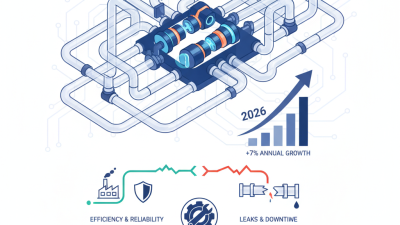
Choosing the right Hydraulic Quick Coupler is crucial for efficient machinery operation. These couplers connect hydraulic lines seamlessly. However, many people struggle to select the most suitable type. Understanding your specific requirements is key to making an informed choice.
Hydraulic Quick Couplers come in various sizes and types. Some are designed for high-pressure applications, while others are ideal for low flow situations. This difference can significantly affect performance. It is easy to overlook these details, leading to compatibility issues later. A wrong selection may result in leaks or system failures.
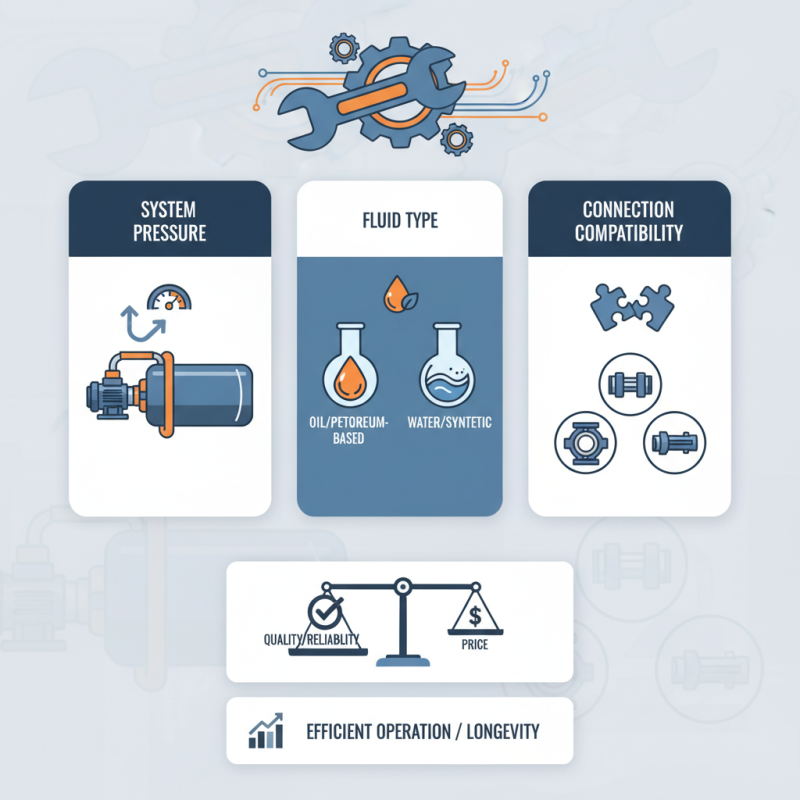
Before making a decision, consider factors such as system pressure, fluid type, and connection compatibility. Many users often prioritize price over quality, which can be a mistake. Investing in a reliable Hydraulic Quick Coupler enhances overall efficiency. While it may require some research, the long-term benefits will outweigh the initial effort.
Hydraulic quick couplers play a vital role in the efficiency of hydraulic systems. They enable quick and easy connections, which saves time during equipment setup. Understanding the various types of couplers is crucial for selecting the right one for specific applications. Each type has its strengths and weaknesses. For instance, some are better suited for high-pressure environments, while others excel in applications requiring frequent disconnection and reconnection.
Different applications require different hydraulic quick couplers. For construction sites, robust couplers that handle heavy loads and dirt are essential. In contrast, agricultural applications might prioritize couplers that offer quick connections to minimize downtime. It's important to assess the working environment. Factors like pressure levels and fluid type can impact performance. Some users may overlook these aspects, leading to premature failure or inefficiencies.
Choosing the wrong coupler can be costly. Users should consult with experts and review specifications thoroughly. Many may rush the decision, resulting in unsuitable equipment. Take time to understand the specific needs of your operations. Consider factors like compatibility, durability, and maintenance requirements. This approach will enhance reliability and efficiency in your hydraulic system.
| Type | Connection Method | Pressure Rating (psi) | Temperature Range (°F) | Common Applications |
|---|---|---|---|---|
| Flat-Face Couplers | Push-to-Connect | 3000 | -20 to 200 | Excavators, Skid Steers |
| Pioneer Couplers | Screw-On | 4000 | -40 to 185 | Agricultural Machinery |
| Threaded Couplers | Twist-On | 3500 | -10 to 150 | Hydraulic Tools |
| Quick-Release Couplers | Pull-to-Connect | 5000 | 0 to 180 | Construction Equipment |
| Ball Lock Couplers | Ball Lock Mechanism | 6000 | -30 to 200 | Industrial Applications |
When selecting a hydraulic quick coupler, consider key factors that impact performance. The first aspect is the coupler's pressure rating. Different applications have varying pressure requirements. Ensure the coupler can handle the pressure your task demands. According to a 2022 industry report, nearly 30% of equipment failures are linked to inadequate pressure ratings.
Compatibility with existing hydraulic systems is essential. A coupler must fit seamlessly with hoses and fittings. This reduces the risk of leaks and improves efficiency. A survey revealed that around 25% of users face compatibility issues during coupler selection. This leads to costly downtime and repairs.
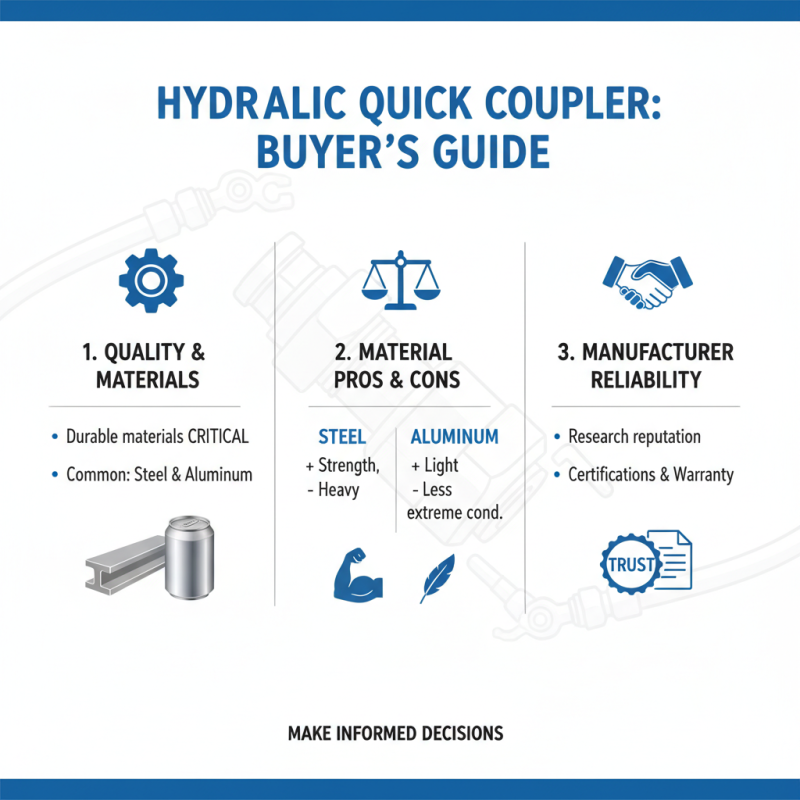
Another critical factor is the material used in manufacturing the coupler. Steel couplers offer durability, while aluminum variants may be lighter but less robust. Choosing the right material affects the coupler's lifespan and operational efficiency. A reliable material choice can prevent premature wear and ensure safety under high-stress conditions. Evaluating these factors carefully can lead to better decision-making in hydraulic equipment usage.
When selecting the right hydraulic quick coupler, compatibility with existing systems is critical. Many operators overlook this aspect, leading to inefficiencies and unexpected downtime. According to data from the Fluid Power Industry, improper connections can cause performance loss of up to 15%. This emphasizes the need for thorough evaluation before making a choice.
Assessing compatibility involves examining size, pressure ratings, and fluid types. For instance, a coupler designed for water may not withstand oil-based fluids. Many companies still use outdated couplings that can’t handle modern pressure requirements. This mismatch often results in leaks or ruptured connections, creating safety hazards. In fact, studies indicate that more than 20% of hydraulic failures are due to improper coupler selection.
Furthermore, analyzing the existing equipment’s specifications is essential. Operators should consult technical documentation to understand compatibility. In practice, operators sometimes rely on trial and error, which can be costly. While some quick couplers appear similar, even minor differences in diameter or thread type can lead to significant issues. Investing time in compatibility checks can enhance efficiency and prolong the lifespan of hydraulic systems.
When selecting a hydraulic quick coupler, evaluating quality and materials is essential. Look for couplers made from durable materials. Steel and aluminum are common choices. Each material has pros and cons. Steel often offers greater strength but can be heavier. Aluminum, while lighter, may not withstand extreme conditions as well. Understanding these aspects can help you make an informed decision.
Manufacturer reliability is equally critical. Research the company's history and reputation. A trustworthy manufacturer will have consistent performance records. Customer reviews can provide insight into product durability and efficiency. Pay attention to warranty terms. Longer warranties often indicate confidence in product quality.
It's also helpful to assess the manufacturing process. Advanced techniques usually lead to better quality. Some manufacturers follow strict standards, while others might cut corners for cost savings. Transparency in production can be a sign of reliable engineering. Always question and reflect on your choices. This process can lead to better outcomes.
To ensure the longevity of hydraulic quick couplers, consistent maintenance is crucial. Regular inspection can prevent issues before they arise. Look for signs of wear or damage, especially at connection points. Check for leaks, as they can indicate a failure that needs immediate attention. This proactive approach can save you time and money in the long run.
Keep your couplers clean. Dirt and debris can lead to malfunctions. Use a soft cloth to wipe down the surfaces after each use. Additionally, apply a light lubricant as recommended by the manufacturer. This simple step can enhance performance and prevent corrosion.
Consider the environment in which your hydraulic couplers operate. Extreme temperatures and harsh conditions can accelerate wear. In such cases, using protective covers is advisable. They shield your equipment and extend its lifespan. A bit of extra care goes a long way in maintaining efficiency and reliability. Regular maintenance might seem tedious, but it is essential for optimum performance.