How to Choose the Best Stamping Robot for Your Business?
Selecting the right Stamping Robot can significantly impact operational efficiency and productivity. According to a report by MarketsandMarkets, the automation and robotics market is projected to reach $214 billion by 2025. This highlights the growing reliance on automation in various sectors, including manufacturing. Stamping Robots play a critical role in streamlining processes, and a well-chosen robot can lead to increased output and reduced labor costs.
Understanding your specific business needs is essential when choosing a Stamping Robot. Factors such as payload capacity, speed, and programability must be evaluated. Industry studies reveal that improper selection can lead to inefficiencies and increased maintenance costs, with up to 30% of companies reporting dissatisfaction with automation investments. Hence, it's vital to weigh options carefully, as each decision impacts the overall productivity and return on investment.
Involving technical experts can ensure you select a reliable Stamping Robot. This investment requires research and foresight, as every business has different requirements. The right robot could enhance quality and consistency. Choices made today may shape your operational landscape for years, making it more critical than ever to make informed decisions. Choosing poorly could hinder growth. Therefore, a comprehensive understanding of your needs is the key to success.
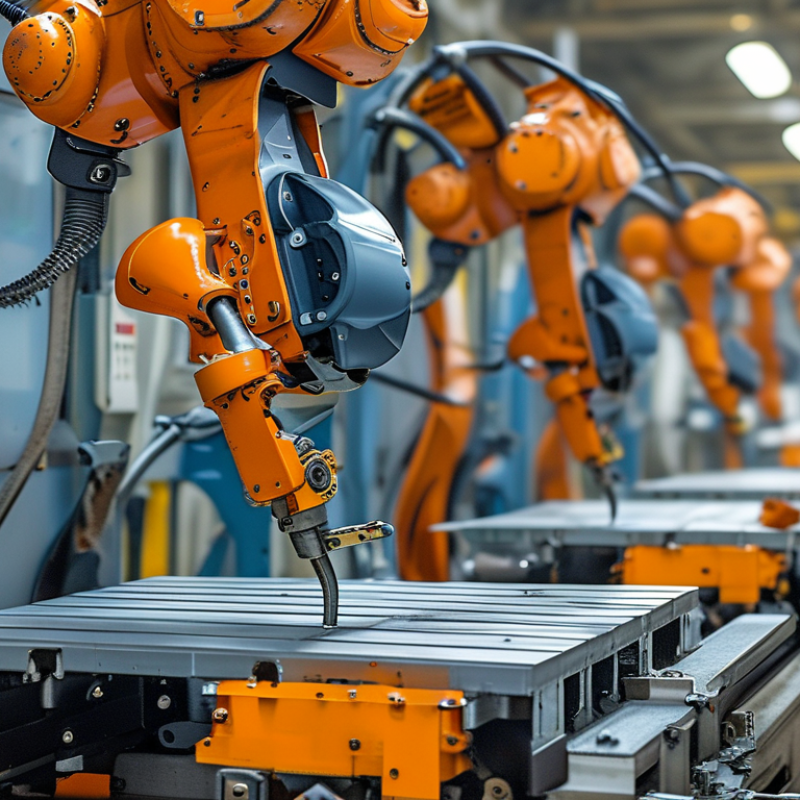
Factors to Consider When Selecting a Stamping Robot
Choosing the right stamping robot is crucial for maximizing efficiency in manufacturing. Several key factors will influence this decision. Firstly, assess the production volume your business requires. A report by the International Federation of Robotics indicated that companies with higher output demands benefit significantly from advanced robotic systems. Robots capable of handling high speeds provide the needed productivity without compromising quality.
Additionally, consider the robot's payload capacity. According to a study by the Automation Industry Association, selecting a robot with an appropriate payload will prevent operational issues. Overloading can lead to mechanical failures, resulting in unexpected downtime and costly repairs. It’s essential to match the robot's capabilities with the materials you’ll be stamping.
Integration with existing machinery is another critical factor. Compatibility can streamline operations and reduce transition costs. Some businesses overlook this, leading to inefficiencies or the need for additional investment. Evaluate whether the robot has the necessary interfaces for your settings. A robotic solution that aligns with your systems can drastically enhance your production workflow. This careful consideration of these elements will foster smoother operations and greater returns.
Types of Stamping Robots and Their Applications
When selecting a stamping robot for your business, understanding the various types and their applications is essential. Stamping robots generally fall into two categories: Cartesian robots and SCARA robots. Cartesian robots, known for their precision, excel in tasks requiring linear movements. On the other hand, SCARA robots are preferred for high-speed applications, especially in assembly lines.
According to a report from MarketsandMarkets, the industrial robotics market is expected to reach $131.6 billion by 2028. This growth signifies a trend toward automation, driven by increased efficiency and competitiveness. The automotive and electronics industries benefit significantly from stamping robots. In the automotive sector, robots handle tasks such as sheet metal stamping, which improves production speed and reduces errors.
However, choosing the right stamping robot isn't straightforward. Factors like payload, speed, and workspace must be considered. A robot too slow for high-demand production can hinder your output. That said, a robot with high payload capacity might be more than you need, leading to increased costs. Balancing these factors can be challenging, requiring careful assessment and expert consultation to find the perfect fit for your operation.
Evaluating the Technical Specifications of Stamping Robots
When selecting a stamping robot, understanding its technical specifications is crucial. Begin by examining the payload capacity. The weight a robot can handle directly impacts its efficiency. A robot that cannot manage your components will slow down production or lead to errors. Look for a model that aligns with your materials.
Speed is another key factor. Stamping robots vary in their operational speed. Assess how quickly tasks need to be completed in your workflow. A slower robot may cause bottlenecks. Consider if you need a high-speed solution or if a moderate pace suffices for your production line.
Connectivity features can influence your decision. Some robots offer advanced communication capabilities. This can enhance integration with existing systems. However, having too many features can also complicate usage. Ensure that any advanced specifications fit your team's skill level. Overkill may lead to underutilization, which is inefficient. Balancing these technical aspects will help you choose the right stamping robot for your specific needs.
Understanding the Importance of Manufacturer Support and Warranty
When selecting a stamping robot, manufacturer support and warranty are critical factors. A robust warranty demonstrates the manufacturer's confidence in their product. It’s reassuring when a machine is backed by a solid service plan. This support means you won’t face prolonged downtimes due to unexpected failures. Make sure to ask about the warranty specifics. Is it comprehensive? How long does it last?
Consider the level of support provided after the sale. Some companies offer training, while others may leave you to figure it out alone. A manufacturer that provides extensive training can ease the transition to new technology. You should also inquire about response times for technical issues. Fast responses are vital for minimizing production disruptions. Lack of immediate assistance can lead to costly delays.
Reflect on past experiences. Did you struggle with equipment that lacked proper support? Those lessons highlight the importance of selecting a reliable manufacturing partner. A strong support network can ensure your stamping robot performs optimally. Assessing these aspects will help you make an informed choice for your business.
How to Choose the Best Stamping Robot for Your Business?
| Feature | Importance | Manufacturer Support | Warranty Period |
| Payload Capacity | High - Essential for handling various materials | 24/7 Technical Support Available | 2 Years |
| Programming Ease | Medium - Impacts setup time | Comprehensive Training Provided | 1 Year |
| Speed | High - Boosts productivity | Response Time Under 4 Hours | 3 Years |
| User Interface | Medium - Affects daily operations | Online Resources Available | 2 Years |
| Footprint | High - Space optimization is critical | On-Site Support Optional | 1 Year |
Budgeting for Your Stamping Robot Purchase and Operating Costs
When budgeting for your stamping robot, consider both the initial purchase cost and ongoing operating expenses. The upfront investment can be significant. Quality systems often come with higher price tags, yet they tend to offer better reliability. Explore financing options to spread out these costs over time. This can make the purchase more manageable for smaller businesses.
Operating costs include maintenance and energy usage. Routine maintenance is crucial. Neglecting this can lead to unexpected breakdowns. Understand the energy consumption of the robot. Some models are more energy-efficient. Getting this right can dramatically enhance your overall cost-effectiveness.
Budgeting does not end with the purchase. Analyze how your production needs may change over time. This reflects a shifting landscape. As your business evolves, your stamping operations should adapt. It’s worth reflecting on your long-term goals. Will you need to scale up? Planning ahead can save both time and money in the future.
Comparison of Stamping Robot Costs and Features