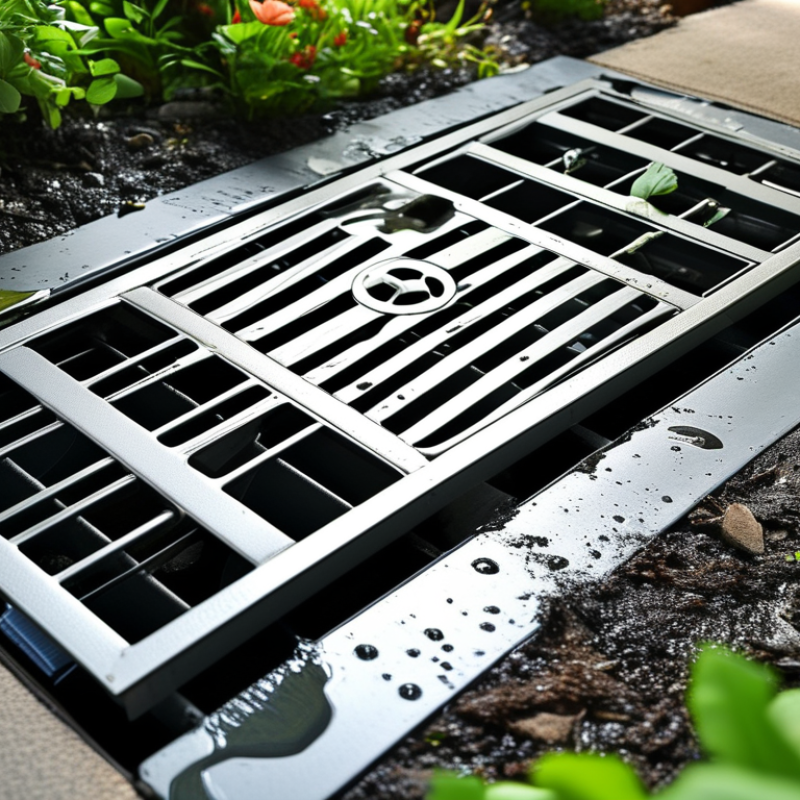
How to Choose the Best Drain Grids for Your Needs?
Choosing the right Drain Grids is crucial for effective drainage and maintaining your property's aesthetics. Drain grids serve as essential barriers, preventing debris from clogging drainage systems. Whether you're enhancing your garden or fulfilling local regulations, understanding your options is key.
Consider the materials and styles available. Stainless steel, plastic, and cast iron are common choices. Each material offers durability and different aesthetic qualities. Drain grids can also vary in design, complementing your space while ensuring functionality.
If you're not careful, you might overlook important factors. A poorly chosen drain grid can lead to water pooling or damage over time. It's essential to balance form and function. Keep your unique needs in mind. This way, you’ll select drain grids that provide both visual appeal and effective drainage solutions.
Understanding Different Types of Drain Grids Available in the Market
When selecting drain grids, understanding the types available is vital. There are several options on the market, each designed to fit different needs. For instance, stainless steel grids offer durability and rust resistance, making them popular for both indoor and outdoor use. However, they can be slippery when wet, which is a concern in areas with high foot traffic. It's essential to consider the environment where the grid will be installed.
Plastic drain grids are lightweight and often more affordable. They come in various colors, blending easily with outdoor landscapes. However, they may not withstand heavy loads or extreme weather conditions as well as metal options. Another option is cast iron grids, which are rugged and can support significant weight. Though effective, their weight may complicate installation and require more effort during maintenance.
While aesthetic appeal is important, functionality cannot be overlooked. Poor drainage can lead to flooding or water damage. Ensure that chosen grids provide adequate water flow for the specific area. It may be wise to consult with professionals who have experience in drainage systems. They can offer invaluable insights, helping you make informed decisions based on real-world applications rather than theory.
How to Choose the Best Drain Grids for Your Needs?
| Type of Drain Grid | Material | Grid Size | Suitable For | Price Range (USD) |
| Stainless Steel Drain Grid | Stainless Steel | 12 x 12 inches | Kitchens, Bathrooms | $30 - $50 |
| Plastic Drain Grid | Plastic | 10 x 10 inches | Outdoor Areas | $5 - $15 |
| Cast Iron Drain Grid | Cast Iron | 24 x 24 inches | Driveways, Parking Areas | $80 - $120 |
| Aluminum Drain Grid | Aluminum | 18 x 18 inches | Indoor Pools, Shower Areas | $40 - $70 |
| Decorative Drain Grid | Various Materials | Varies | Garden, Patios | $25 - $60 |
Key Factors to Consider When Selecting Drain Grids for Your Projects
When selecting drain grids, several key factors come into play. First, consider the material. Different materials offer varying durability and resistance to corrosion. Stainless steel is often favored for its strength and longevity, while plastic options may be lighter and easier to install. Assess the expected load; heavy-duty grids are essential for high-traffic areas. This choice impacts safety and functionality.
Next, focus on design features. A grid's size and drainage capacity are crucial. Ensure it can handle local rainfall and runoff efficiently. The installation method also matters. Simple installations can save time and minimize costs. However, more intricate setups might be necessary for complex projects, requiring careful planning.
Lastly, think about maintenance requirements. Some grids can accumulate debris, hindering performance. Regular cleaning routines should be considered. Not all systems are equal in terms of maintenance; neglect may lead to significant long-term issues. Reflecting on these aspects can help you make informed decisions, fostering reliability in drainage systems.
Materials and Durability: Choosing the Right Composition for Drain Grids
Choosing the right material for drain grids is crucial for durability and functionality. Common materials include stainless steel, cast iron, and polymer. Each has unique properties influencing longevity and performance. For instance, stainless steel is known for its corrosion resistance. A study by the International Journal of Water Management found that stainless steel grids can last over 30 years in harsh environments. However, their higher cost may not suit every budget.
Cast iron, while more affordable, has limitations. It can rust if not properly coated. This material typically offers a lifespan of around 10 to 20 years, according to industry reports. If not maintained, these grids can become cracked and misaligned. Thus, regular inspections are essential.
Polymer grids, on the other hand, are lightweight and resistant to chemicals. They offer a modern alternative for various settings. However, they may not withstand extreme temperatures as well as metal grids. Some studies note that high temperatures can lead to a shortened lifespan. The choice ultimately depends on the environment and weight-bearing needs. Assessing specific requirements is vital for making an informed decision.
Materials and Durability of Drain Grids
Design and Aesthetics: How Appearance Influences Your Drain Grid Choice
When selecting a drain grid, design and aesthetics play a significant role. Many homeowners overlook this element, yet studies show that over 70% of buyers prioritize appearance. A visually appealing drain grid can enhance the overall aesthetics of a space. This is especially true in areas like gardens or patios, where functionality meets design.
Color, material, and shape impact your choice profoundly. A sleek stainless-steel grid may suit modern homes, while copper or decorative cast iron may appeal to vintage enthusiasts. According to industry reports, drains with intricate designs have been shown to boost property value by as much as 15%. However, balancing style with practicality is crucial; ornate designs may be harder to clean and maintain.
It's important to reflect on personal preferences when making a choice. Are you drawn to minimalism or prefer a statement piece? Trends indicate that simplistic designs are increasingly popular. Yet, this can lead to a cookie-cutter look in neighborhoods. Embracing unique designs can set your space apart but may require more effort in upkeep. Ultimately, align your choices with your lifestyle and the environment around you.
Cost-Effectiveness: Balancing Quality and Budget for Drain Grids
When considering drain grids, cost-effectiveness becomes essential. High-quality materials often come with a higher price tag, but they usually last longer. Cheap options may save money initially. However, they often need replacements sooner, leading to higher long-term costs.
Assessing your budget is vital. Calculate how much you're willing to spend. Remember, investing in durable materials can prevent future expenses. Researching different options can be overwhelming. Look for user reviews and expert opinions to guide your choices.
A well-made drain grid should balance aesthetics and functionality. It should seamlessly fit into your existing layout while effectively preventing debris clogs. Remember, finding that balance might take time. Experience will help you reflect on your choices as you compare various products.